Fit & style
How should oversized sunglasses fit?
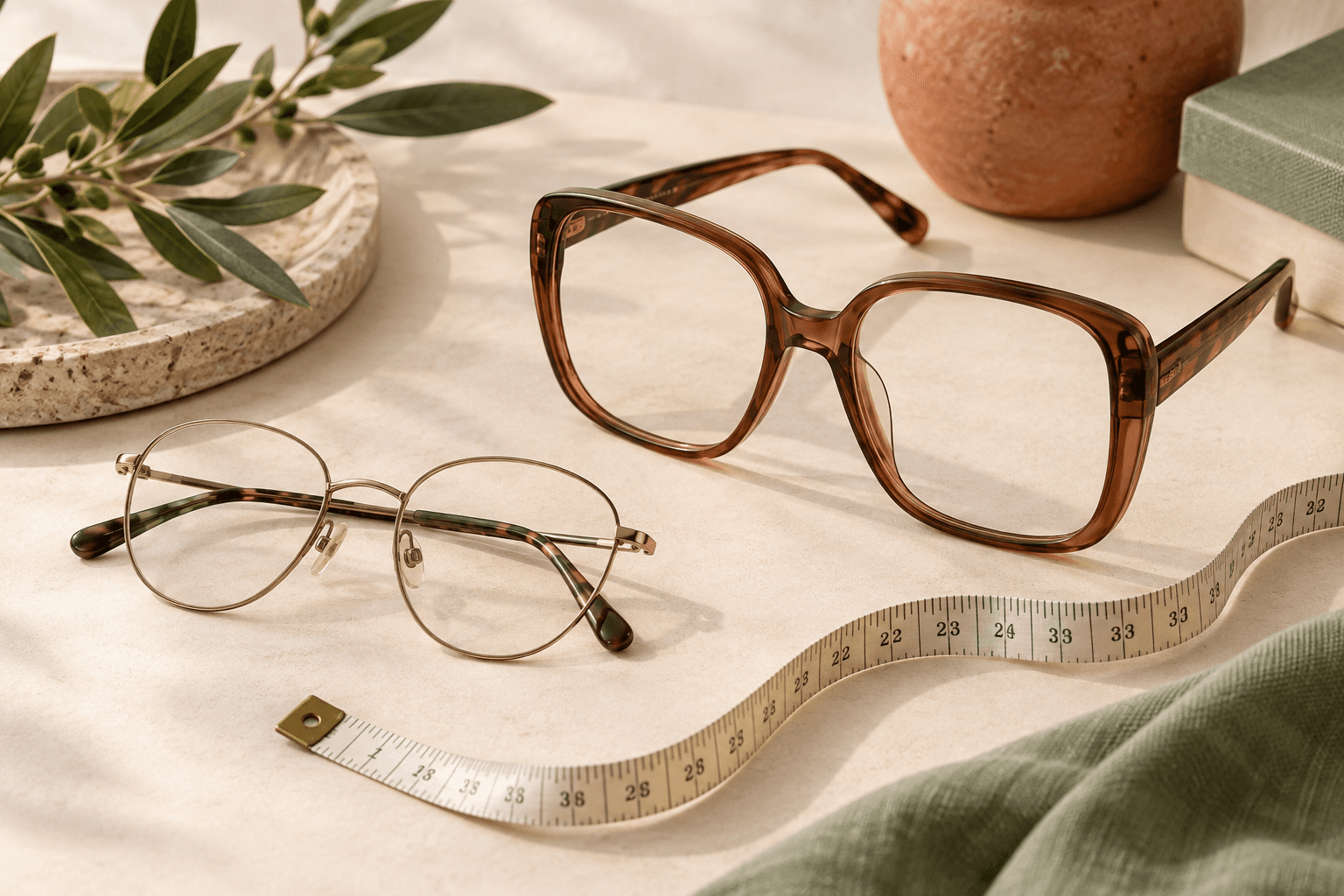
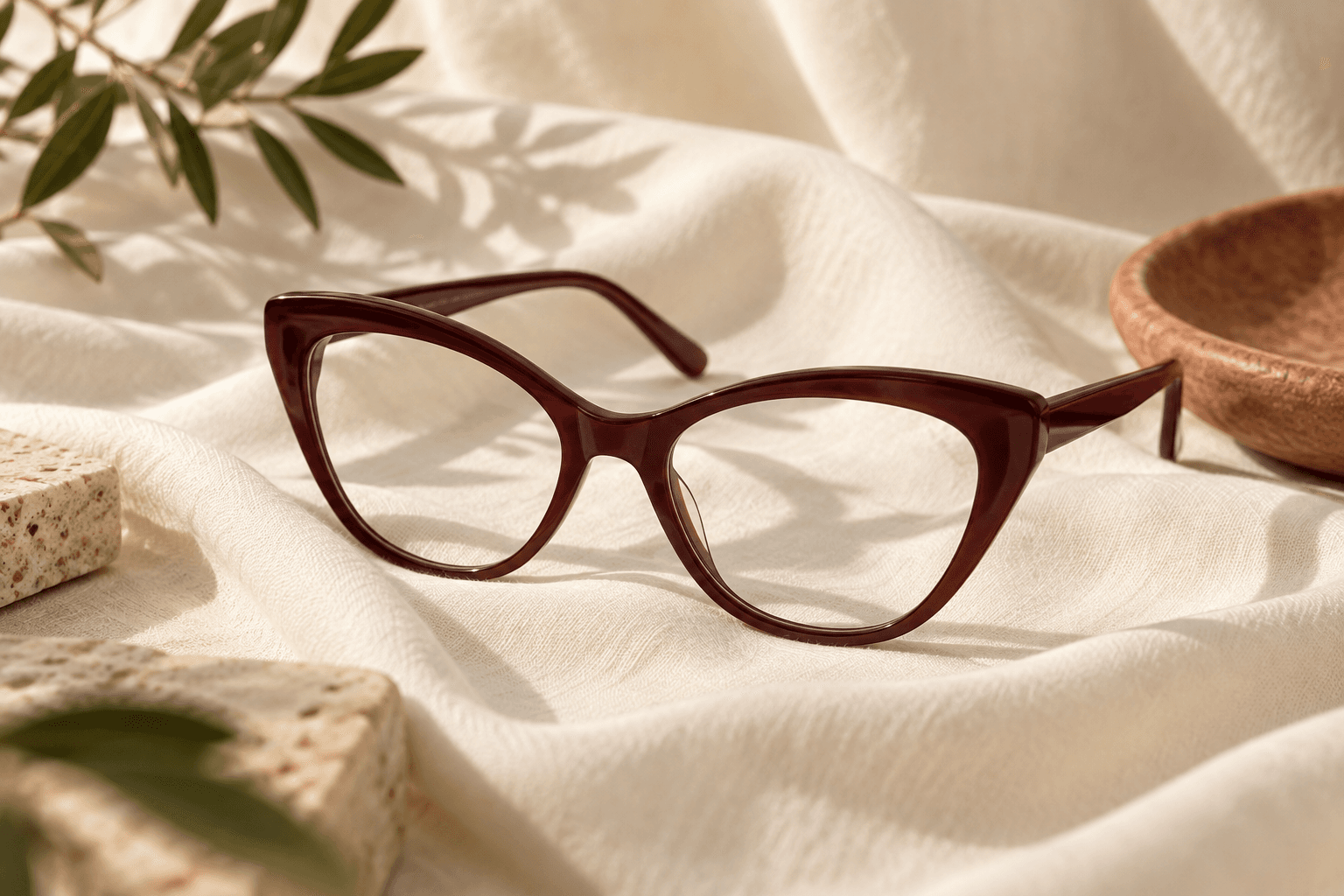
The appeal of oversized sunglasses is their confidence: a large outline can make a plain outfit feel considered. The problem starts when oversized describes the fit as well as the style. You should not have to choose between the look you like and a pair that stays in place. Compare the bridge, total width and lens depth as separate parts of the decision.

Start with the bridge, not the widest lens
Put the sunglasses on without holding them in a flattering position. Let them settle naturally, then look in the mirror. Notice where the bridge rests and whether the front immediately sinks lower than you expected. A large lens can work on a smaller face when the rest of the frame is suitable, while a modest lens can still belong to an overly wide frame.
Try looking down at a phone or a book and returning to eye level. If the pair changes position each time, mention that during fitting. Ask whether this model can be adjusted appropriately or whether a different bridge design would make more sense. Choosing another oversized model is often more useful than expecting an unsuitable one to become stable through persistence.
Check cheek clearance while smiling
A still photograph shows only one expression. Smile broadly, talk and move your head as you normally would. Look for the lower rim pressing on the cheeks or lifting the whole frame. That movement can be easy to miss when you are concentrating on whether the sunglasses look fashionable in a mirror.
Compare a shallower lens in a similar width if the lower edge keeps meeting your cheeks. You can preserve much of the oversized look through the upper rim, outer corners or thicker construction without choosing the deepest possible lens. For everyday wear in Bangladesh, test the pair in ordinary movement rather than saving the first proper trial for a warm outdoor gathering.
Judge width from the front and side
From the front, check whether the frame looks intentionally broad and balanced. From the side, inspect whether the arms seem forced outward or leave an awkward amount of space. Ask about pressure behind the ears and at the temples during the fitting. Do not rely on one lens-width number to describe the whole front.
When shopping online, compare all available dimensions with a comfortable pair you own. Request overall frame width if the listing omits it. A virtual preview can help you judge the shape's visual presence, but it cannot tell you how the bridge will feel or how much pressure the arms create. Keep the seller's exchange conditions in the comparison alongside the photographs.
Keep lens protection separate from frame size
The FDA advises considering larger, wraparound styles for additional coverage around the eyes, but a large outline does not establish the lens's UV performance. Its guidance calls for a UV400 or 100% UV protection label. Check the actual pair's specification before making size the deciding factor. A wide flat frame and a closer wraparound design also sit differently, even if both are described as oversized.
Ask for exact model information and keep a copy with your receipt. Do not use a dark tint, mirrored finish or a dramatic product photograph as evidence for a technical feature. Once the specification is clear, decide whether the tint and shape are useful for the outings you have in mind. Those separate checks make the purchase easier to explain to yourself afterward.
Test the large frame in a small everyday routine
Wear it with your usual headwear, headphones or scarf and see how the pieces meet. Try taking the glasses off and folding them without rushing. Open the intended case and check that it closes normally. A beautiful oversized frame that has no safe place in your daily bag is likely to spend more time loose on tables than you planned.
For the final style check, photograph the pair with the full upper half of an outfit instead of a very close selfie. The effect can look different beside a collar, a broad shoulder line or a loose cotton shirt. Choose the pair that gives you the expression you want while passing the practical checks. Oversized is a design choice, not a reason to accept constant slipping or uncomfortable contact.
Quick questions
Can a small face wear oversized sunglasses?
Yes. Look for a model that gives the intended visual scale while fitting the bridge and head width. Compare lens depth and cheek clearance rather than choosing only by a small, medium or large label.
Should oversized sunglasses touch my cheeks?
Pay attention to pressure or movement when you smile and talk. If the lower rim pushes the glasses upward or feels uncomfortable, try a different lens depth or bridge arrangement and ask for fitting advice.